Pet Loss Quotes and Messages: What to Write in a Card, Tribute, or Keepsake
Find words for a pet you miss or someone you care about, with personal examples for sympathy cards, tributes, and keepsakes.
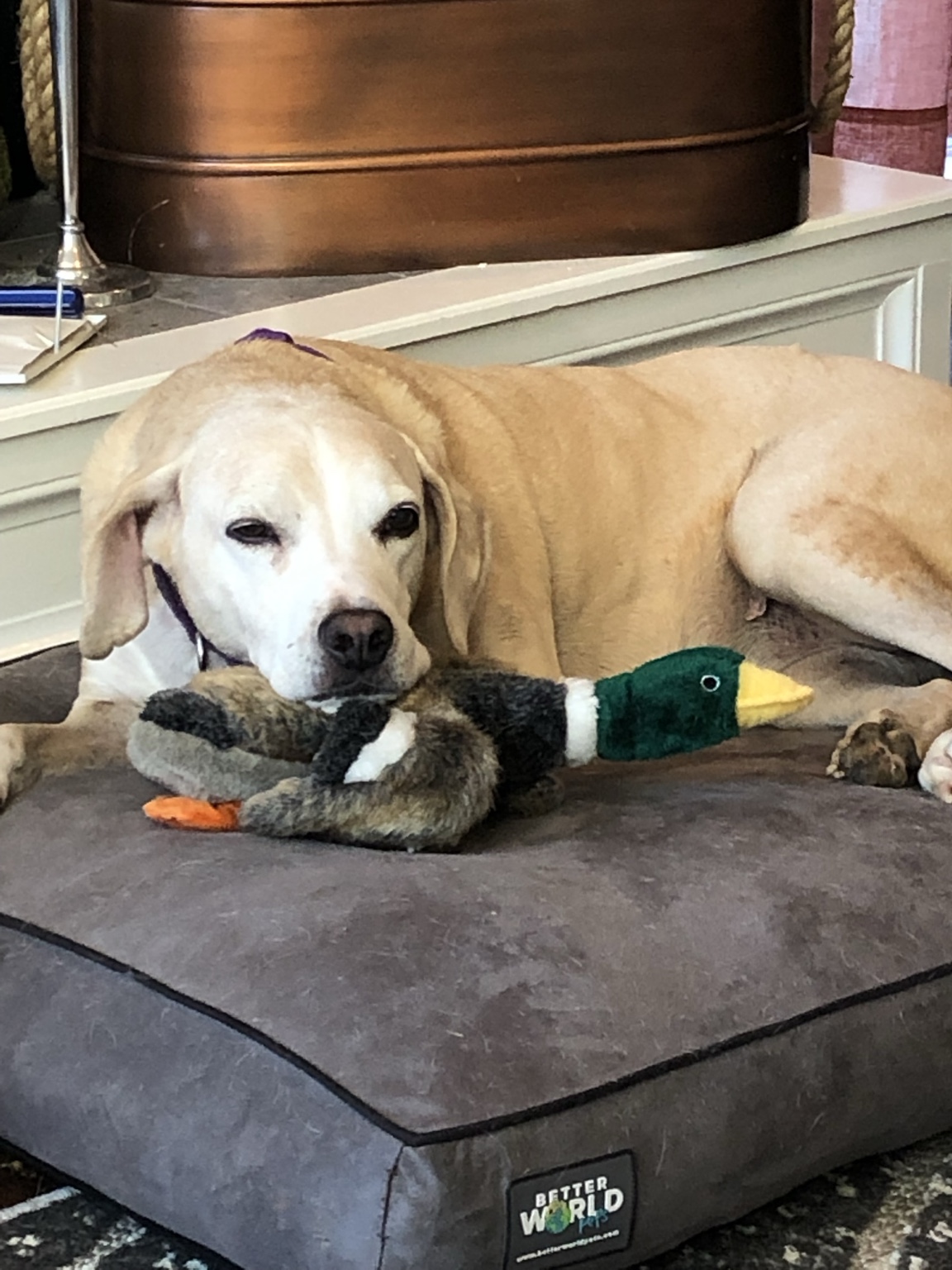
There is a particular kind of blank page that comes with losing a pet.
You might be trying to write about your own dog and finding that “best friend” doesn’t begin to cover it. Or you might be staring at a sympathy card for someone whose cat was part of every story they told.
You don’t need words that explain the whole relationship. Sometimes you need a sentence that acknowledges it.
This guide includes short remembrance lines, complete sympathy messages, longer tribute examples, and suggestions for making the words sound like the pet you actually knew.
Unless an author and source are specifically identified, the examples below are suggested wording written for this guide—not quotations attributed to a poet or public figure. Names and situations are illustrative. Adapt them to what is true for you.
Start here: are you remembering your pet or comforting someone else?
These are different writing tasks.
When you write about your own pet, you can be sad, grateful, funny, angry, brief, or unfinished. You don’t have to make the message comforting for everyone reading it.
When you write to someone else, the aim is to acknowledge their loss without telling them how to feel.
Cornell University’s veterinary college explains that people respond differently to pet loss and that grief does not follow a prescribed timeline. There is no deadline for finding the right words, either.
Cornell University: Pet Loss Resources and Support
| Where the words will go | A useful starting point | Example |
|---|---|---|
| A text to a friend | Acknowledge the loss without requiring a reply | I’m so sorry about Rosie. Thinking of you—no need to reply. |
| A sympathy card | Add a memory, if you have one | I’ll always remember how Ollie welcomed me with a toy. |
| Your own social tribute | Name an ordinary moment you miss | I still leave room for you beside my chair. |
| A plaque or engraving | Choose a short line that stands on its own | Every walk holds a memory |
| A photo album | Tell the story behind the picture | This was the afternoon you discovered the sprinkler. |
| An anniversary message | Let someone know you remember | I remembered that today was Bella’s homecoming day. Thinking of you both. |
These are starting points, not rules. A long letter can be meaningful. So can a text that says, “I love you. I’m here.”
Short pet loss quotes and remembrance lines
A short line can be useful when the photograph already tells most of the story—or when you simply don’t have more words.
For the companionship you miss
- I still make room for you.
- You made ordinary days worth remembering.
- Every walk holds a memory.
- Home sounds different without you.
- You were beside me through so many versions of my life.
For a warmer, gratitude-focused tribute
- What a life we got to share.
- Your place in our story stays.
- So many good days began with you.
- Loved through every ordinary day.
- I’m grateful our lives overlapped.
When you don’t feel ready to sound hopeful
- I miss you in places I didn’t expect.
- Today, I don’t have a beautiful sentence. I just miss you.
- There is so much of you in my everyday.
- I keep reaching for the routine we shared.
You don’t have to choose gratitude instead of sadness. A tribute can hold both:
What a life we got to share. I’m grateful for every year, and I wish there had been more.
What should you write when someone else’s pet dies?
Start with the pet’s name. If you knew them, add a memory. If you didn’t, acknowledge what the relationship meant without inventing a connection.
Best Friends Animal Society recommends presence and listening rather than trying to fix someone’s grief. Its guidance also cautions against platitudes that can minimize the loss.
Best Friends Animal Society: How to Support a Friend After the Loss of a Pet
Here are examples for different relationships.
For a close friend
I’m so sorry about Biscuit. I’ll always remember how he arrived with a toy before I’d even taken my coat off. I loved being welcomed by him. I’m here for you, whether you want to talk about him or have some quiet company.
This acknowledges the loss, shares something real, and leaves the recipient room to choose.
For a coworker
I’m very sorry about Miso. I know she was an important part of your life. Thinking of you and your family.
You don’t need to make a professional relationship sound more intimate than it is.
When you never met the pet
I’m so sorry about Daisy. From the way you spoke about her, I know how much she meant to you.
There is no need to apologize for not knowing the animal. You can care about the person’s loss without having shared it.
For your adult child or another family member
I loved being part of Ollie’s life, too. His visits, his determination to claim the couch, and the way you two understood each other are memories I’ll keep. I’m so sorry.
If you are also grieving, you can say so without asking them to take care of your feelings.
When you want to offer practical help
I’m so sorry about Rosie. Would it help if I brought dinner on Thursday? I can leave it at the door if you’d rather have some space.
Offer something you can genuinely do. A specific, optional offer can be easier to answer than a broad “let me know if you need anything.”
When you hear about the loss later
I only just heard about Max. I’m so sorry. I remember how he always settled beside your desk while we talked. I wanted you to know I’m thinking of you.
You don’t need a long explanation for why you didn’t write sooner. Keep the attention on them and their pet.
What should you avoid saying?
The problem usually isn’t bad intentions. It is language that tries to explain the loss away.
| Instead of… | Consider… |
|---|---|
| At least she lived a long life. | Even after so many years together, saying goodbye is hard. I’m so sorry. |
| You can always get another dog. | There won’t be another Max. I know how much you miss him. |
| Everything happens for a reason. | I wish you weren’t going through this. |
| Try to focus on the good memories. | I’m here if you want to share a memory—or if you don’t want to talk. |
| I know exactly how you feel. | I remember how hard losing my pet was, though I know your relationship was your own. |
Be careful with religious or afterlife language unless you know it is welcome. “Running free in heaven” may comfort one person and feel unfamiliar to another.
When you aren’t sure, you can stay with what you know: this pet mattered, the loss matters, and you care.
Dog remembrance messages: write about the dog, not the stereotype
Not every dog was an enthusiastic walker or a fearless protector. Some were anxious, stubborn, sleepy, suspicious of visitors, or deeply committed to one particular blanket.
That is useful material. A tribute doesn’t need to turn them into a different dog.
For the dog who followed you everywhere
You followed me from room to room as if every trip to the kitchen might become an adventure. I never realized how much company there was in those footsteps.
For the dog who loved a familiar routine
Same route. Same tree. Same determination to stop at every mailbox. I thought we were taking ordinary walks. Now I know how much I’ll remember them.
For a reserved or anxious dog
You didn’t give your trust easily. Getting to be one of your people meant everything to me.
For the household character
You stole socks, occupied the good chair, and believed every delivery was personally addressed to you. We miss the entire operation.
Humor can belong in your own tribute if it reflects your relationship. In a message to someone else, follow their tone rather than trying to make them laugh before they are ready.
Cat remembrance messages: make room for their actual personality
Some cats were quiet company. Others announced breakfast to the whole house, climbed into every meeting, or greeted visitors before anyone reached the door.
Write about your cat—not the idea of what cats are supposed to be.
For the cat who shared your workspace
You attended every meeting from the corner of my desk. I miss your complete disregard for the keyboard and your excellent judgment about when work should end.
For a familiar sleeping spot
The afternoon sun still reaches your corner of the sofa. I notice it every day.
For the affectionate cat
You had a way of pressing your forehead into my hand that made everything else wait. I miss being chosen like that.
For the outspoken cat
You never let breakfast happen quietly. The house is different without your announcements.
The strongest detail might be an ordinary one: the cupboard they opened, the blanket they kneaded, or the sound of their feet coming down the stairs.
How to write a social media tribute without telling the whole story
You can share a loss without sharing medical details, explaining decisions, or answering everyone’s questions.
A useful structure is:
- Say what happened, if you want to.
- Share one thing that made the pet themselves.
- End with what you want to say to them or to the people reading.
A brief announcement
We said goodbye to Rosie this week. She was our morning-walk companion, kitchen supervisor, and first welcome home. We miss her deeply. Thank you for loving her with us.
A longer, personality-led tribute
For thirteen years, Ollie treated every visitor as someone who had come specifically to see him. He carried a toy to the door, took attendance during dinner, and somehow knew when someone needed company.
We said goodbye on Monday. I don’t have a neat ending for that. I’m just grateful we got to be his family.
A post that sets a boundary
We’ve lost our lovely Miso. We’re not ready to talk about the details, but we wanted to share this favorite photograph and say how much she was loved. Thank you for understanding if we’re slow to reply.
A remembrance months or years later
Today I found the photo of you asleep with your head in my shoe. Not the most elegant portrait, but completely you. Still missed. Still part of the stories we tell.
You don’t need a fresh photograph or a special date to remember them publicly. You also don’t have to post at all.
Short wording for plaques, necklaces, and other keepsakes
Choose the product before finalizing the wording. An engraver may limit characters per line, the number of lines, or the space available after adding a name and dates.
The examples below include spaces but exclude quotation marks and any added name or dates.
| Suggested wording | Characters |
|---|---|
| Always part of our days | 23 |
| Your place in our story stays | 29 |
| Every walk holds a memory | 25 |
| The windowsill is still yours | 29 |
| Loved through every ordinary day | 32 |
A name can carry much of the meaning. You don’t need to fill every available line.
For example:
ROSIE — Every walk holds a memory
Or:
MISO — The windowsill is still yours
Before approving a design, check the spelling, dates, punctuation, line breaks, and legibility in the seller’s preview. Ask whether the character limit includes spaces and whether names and dates have separate fields.
If you are buying for someone else, let them help choose the words. A permanent inscription is a personal decision, not a surprise you have to get exactly right on their behalf.
What about Rainbow Bridge and other famous pet loss quotes?
A familiar quotation can express something you recognize but cannot yet put into words. It is worth checking the source—especially before making it permanent.
Rainbow Bridge is not simply “author unknown”
In 2023, National Geographic reported that Edna Clyne-Rekhy wrote Rainbow Bridge in 1959 after the death of her dog, Major. The reporting describes researcher Paul Koudounaris tracing the poem to her and examining her handwritten original.
National Geographic: Who wrote Rainbow Bridge?
Different versions circulate online, so check the version you are using rather than assuming every passage has identical wording.
The idea of reunion may be comforting to you. If you are choosing words for another person, consider whether that imagery matches their beliefs.
The quotation commonly credited to Anatole France needs a caution
“Until one has loved an animal, a part of one’s soul remains unawakened” is widely credited to Anatole France, but WIST identifies the attribution as unsourced. It should not be presented as a verified quotation from his work.
WIST: Quotations attributed to Anatole France
A practical attribution check
- Search the exact wording.
- Look for the original book, poem, interview, or author’s publication.
- Check whether the source says “attributed to” rather than confirming authorship.
- Distinguish a paraphrase from the original wording.
- If the source remains uncertain, explain that uncertainty or choose another line.
Repeated attribution across quote websites is not independent proof. And “author unknown” is not the same thing as “public domain.”
You can also leave the famous quotation out entirely. A sentence about your own pet does not need a famous name beneath it.
Turn a general sentiment into a personal memory
If your first draft feels generic, don’t search for a more impressive adjective. Add something that actually happened.
Start with three questions:
- Where did they usually settle?
- What did they do every day?
- What would someone who knew them immediately recognize?
Then make the sentence more specific.
“You brought so much joy.”
You greeted every grocery bag as though we had brought home presents just for you.
“You were always there for me.”
Through two moves and a new job, you kept sleeping beside my chair.
“I’ll never forget you.”
I still pause at the back door, waiting for you to catch up.
These details don’t have to replace a short quote. They can sit beside it:
Every walk holds a memory. Especially the ones where you insisted we turn left toward the bakery.
Choosing a photograph to go with the words
Start with meaning rather than perfection.
A slightly imperfect picture may show the expression everyone remembers. A technically beautiful portrait may feel less familiar. Choose what matters to you.
For printing or engraving, ask the maker whether the file has enough detail for the intended size. An image can sometimes be improved, but missing facial detail cannot reliably be recovered.
If you are creating something for another person, ask before commissioning a heavily altered portrait or animated tribute. They may prefer the original photograph, or they may not want a keepsake at that moment.
A printed photo and a handwritten sentence can be enough. Remembering does not require a purchase.
When no quote feels right
You can write:
I don’t know how to put this into words yet.
You can write their name and leave the rest for another day.
If you are supporting someone else, you can send:
You don’t need to explain anything. I’m thinking of you.
And if you need more support than a page of words can offer, Cornell’s Pet Loss Resources and Support includes information about grief and places to seek support.
Cornell University: Pet Loss Resources and Support
A tribute does not have to summarize a whole life. Sometimes it only needs to preserve one true thing about the life you shared.
Frequently asked questions
What should I write in a pet sympathy card?
Start with the pet’s name and acknowledge the loss. Add a genuine memory if you have one: “I’m so sorry about Ollie. I’ll always remember how he welcomed everyone with a toy.” A short message is enough, but a longer personal letter can be meaningful, too.
Is it okay to send condolences by text?
Yes. A text can acknowledge the loss without asking the person to answer a call. “I’m so sorry about Rosie. Thinking of you—no need to reply” is a straightforward starting point. A card can follow, but it isn’t required.
What if I didn’t know the pet?
You can acknowledge the relationship you witnessed: “I know how much Miso meant to you. I’m very sorry.” Don’t invent a memory or claim to understand exactly how the person feels.
Can a pet tribute be funny?
Yes, particularly when you are writing about your own pet and the humor reflects a real memory. A story about stolen socks or a fiercely defended chair can sit alongside sadness. When writing to someone else, let their tone guide you.
How long should an engraving be?
Follow the specifications for the exact product. Check characters per line, total lines, spaces, symbols, and whether the name and dates use the same allowance. Ask for a readable layout rather than trying to fit the longest possible message.
Do I need a quote at all?
No. A pet’s name, a favorite photograph, and one sentence about a shared memory can be a complete tribute.